What 'built to spec' actually means on a menu
Cut, grade, glaze and pack, the four levers that decide your food cost and your plate consistency, week after week.
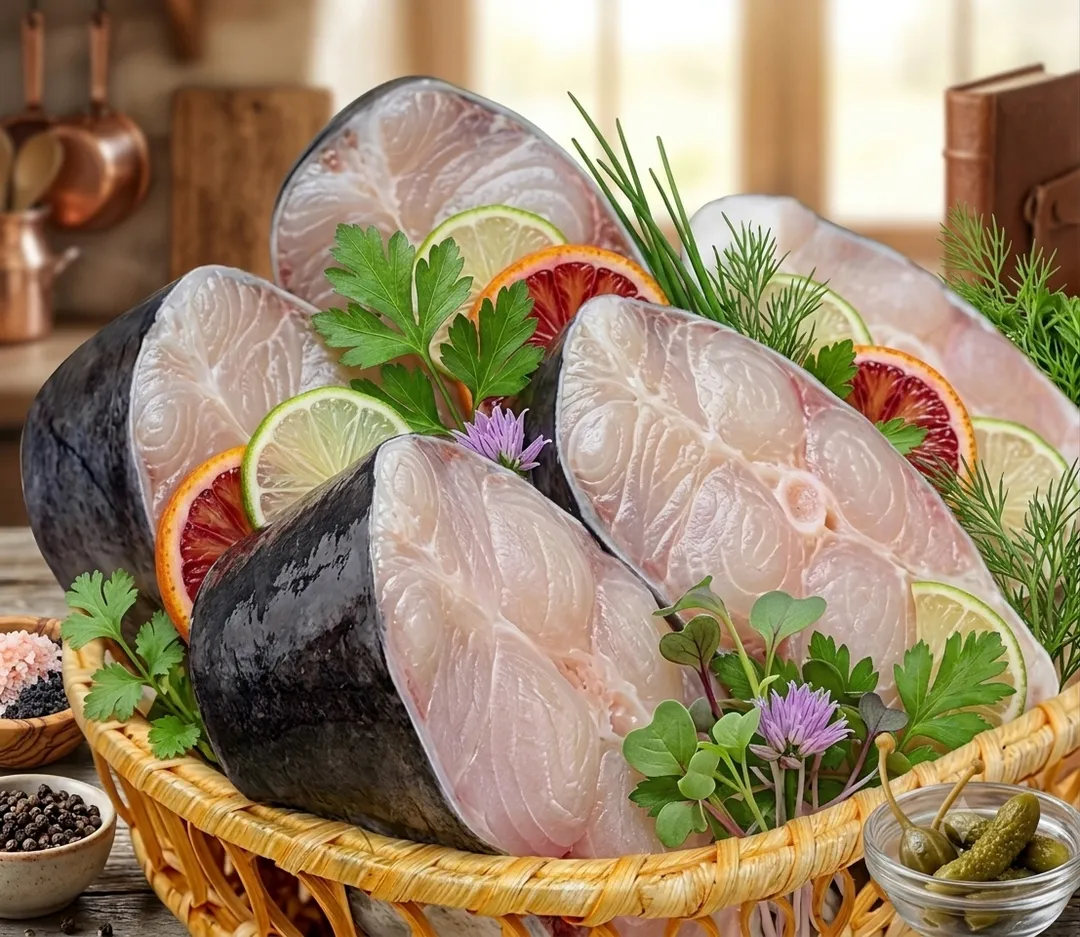
When we say a fish is built to spec, we mean four separate decisions are written down and repeated on every order. Get them right once and your kitchen stops guessing. Here's what each lever actually controls.
Cut
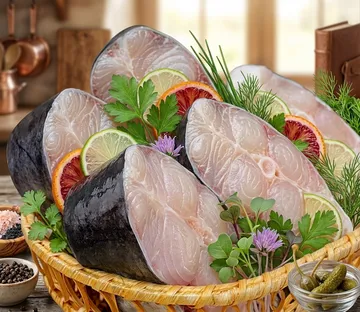
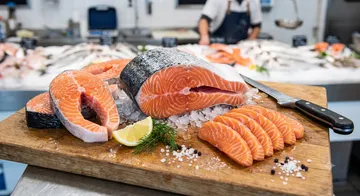
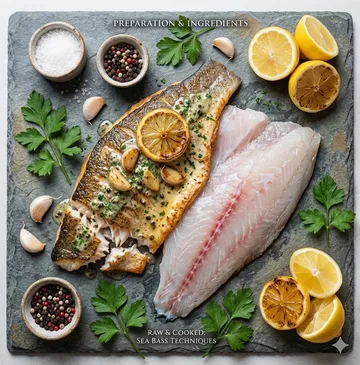
Fillet, portion, steak, loin, whole. The cut decides prep time on your side and how the fish plates. A pre-portioned fillet at a fixed weight means your line cook doesn't trim on the pass and your covers look identical.
Grade
The size band, 120–180 g, 5–7 oz, and so on. Grade is the single biggest lever on food cost, because it fixes how many portions you get from a kilo and how consistent each plate is. A tight grade is a predictable plate.
Glaze
Glaze is the protective ice layer that stops freezer burn in transit. We agree the percentage up front and always quote the net, de-glazed weight, so a 20% glaze never means you're paying for water. More glaze protects longer; less glaze means more fish per box. You choose the balance.
Pack
IQF loose, layer-packed, or vacuum-sealed; carton size and count. Pack format decides how easily your team takes out exactly what a service needs without thawing the rest.
You're not really buying fish. You're buying a decision you made once, delivered the same way every time.
Send those four lines to Selam and we'll come back with pricing, lead time and the documentation pack. Change nothing between orders and nothing changes on the plate.