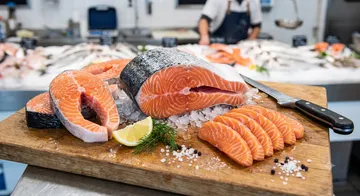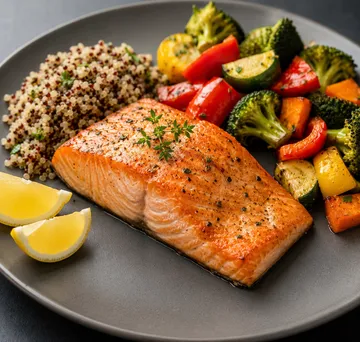
Crisp skin, every time: searing barramundi from frozen-thawed
Thaw slow, dry hard, sear patient. A line-side method for glass-crisp skin and just-set flesh, built for a busy pass.
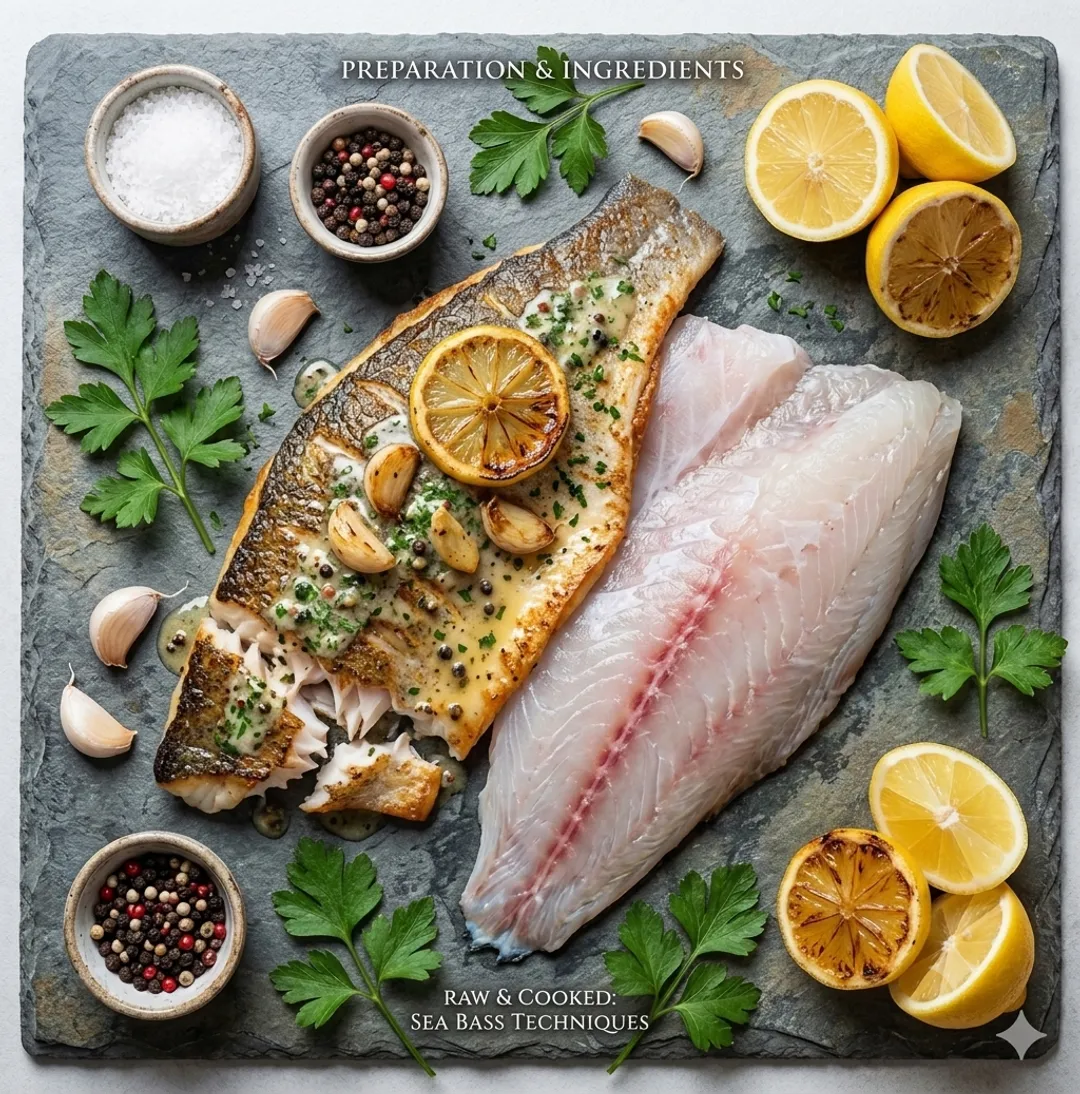
Chefs sometimes assume that previously-frozen fish can't give you the shattering, crackle-crisp skin of a day-boat fillet. It can. Frozen-at-source barramundi arrives with its structure intact, the only real variable is moisture, and moisture is something you control in the kitchen, not something the sea decides for you.
The whole method comes down to one idea: dry protein browns, wet protein steams. Everything below is in service of getting the skin bone-dry before it ever touches the pan.
1. Thaw slow, overnight
Move your portions from the freezer to the coldest shelf of the fridge the night before service, sitting on a rack over a tray so they never pool in their own liquid. A slow thaw keeps the flesh firm and prevents the mushy texture a rushed, warm thaw produces.
2. Dry hard
Once thawed, pat both sides completely dry with paper towel. Then salt the skin lightly and leave the fillets uncovered on the rack in the fridge for 30–60 minutes. The salt pulls surface moisture out and the cold air wicks it away. This step is the difference between crisp and merely cooked.
If the skin looks tacky, it will steam. If it looks matte and dry, it will crackle.
3. The sear
Timing by thickness
A 120–150 g plate fillet needs roughly four minutes on the skin and under a minute on the flesh. Thicker centre cuts want a lower flame and a little longer, or a short finish in the oven. Trust the opacity climbing the side of the fillet more than the clock.
Serve it the moment it comes off the heat. Crisp skin has a short, glorious life, plate it, and get it to the table.